
Ever wondered why your watch’s specs mention “17 jewels” or “21 jewels”? No, your timepiece isn’t secretly encrusted with diamonds — those jewels serve a much more practical purpose. In this post, “What Are Watch Jewels?”, we’ll break down exactly what they are, why they’re used, and how they keep your watch ticking smoothly. These tiny synthetic rubies might be small, but they play a huge role in the precision, durability, and craftsmanship that make your timepiece such a mechanical marvel. Let’s take a closer look at the hidden gems inside your watch.
What are Watch Jewels?
Watch jewels are small, synthetic gemstones—usually rubies or sapphires—used as bearings inside a watch movement. Their job? To reduce friction where metal parts, like gears and pivots, meet and move against each other. Because jewels are incredibly hard and smooth, they prevent wear and tear on those tiny metal components, helping your watch maintain its accuracy and longevity. Think of them as the unsung heroes of your timepiece’s mechanics.
Why Rubies and Sapphires?
You might be wondering, why these particular gemstones? Historically, natural rubies were used, but today’s watch jewels are lab-grown rubies and sapphires made specifically for precision engineering. Both materials share similar properties—they’re extremely hard, scratch-resistant, and can be shaped with pinpoint accuracy. That makes them perfect for minimising friction without adding unnecessary weight. Plus, synthetic versions are affordable and consistent in quality, ensuring every jewel performs flawlessly within the intricate dance of gears and springs.
How Many Jewels Does A Watch Need?
The number of jewels in a watch can vary depending on the complexity of its movement. A basic mechanical watch might have around 17 jewels—enough to cover the main pivot points that experience friction. More advanced or complicated watches, with features like chronographs or automatic winding, can have 21, 25, or even more. But here’s a fun fact: more jewels don’t automatically mean a better watch. It’s all about how they’re used, not how many there are.
What Happens Without Jewels?
Imagine two metal gears grinding together thousands of times a day. Eventually, you’d get wear, heat, and loss of precision. Jewels, therefore, act as a slick, durable buffer, ensuring smooth movement and minimal friction. Without them, your watch’s accuracy would degrade quickly, and the components would wear out much sooner.
The Beauty Behind the Mechanics
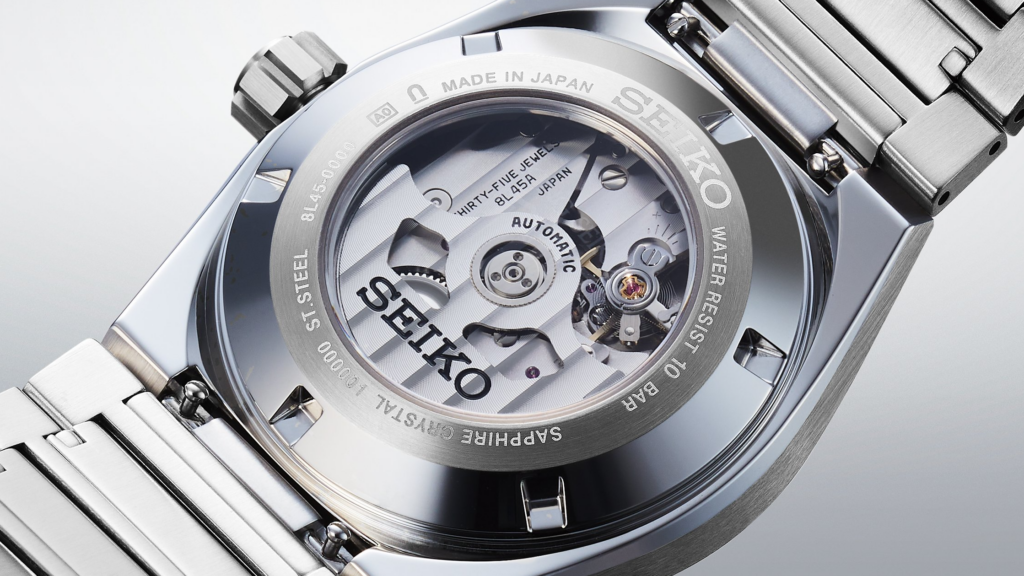
Even though you don’t usually see them, watch jewels add a hidden layer of beauty to a movement. If you’ve ever looked at a skeleton or exhibition-case-back watch, those tiny red or purple dots you see nestled among the gears are the jewels doing their job. They’re as functional as they are elegant—a subtle reminder of the craftsmanship that goes into every quality timepiece.
So next time you spot “17 jewels” on your watch, remember—they’re not for show. These tiny rubies and sapphires are the silent workhorses behind your watch’s precision and longevity. Whether you’re a collector or a casual wearer, knowing their purpose adds a whole new level of appreciation for the craftsmanship ticking beneath the dial.