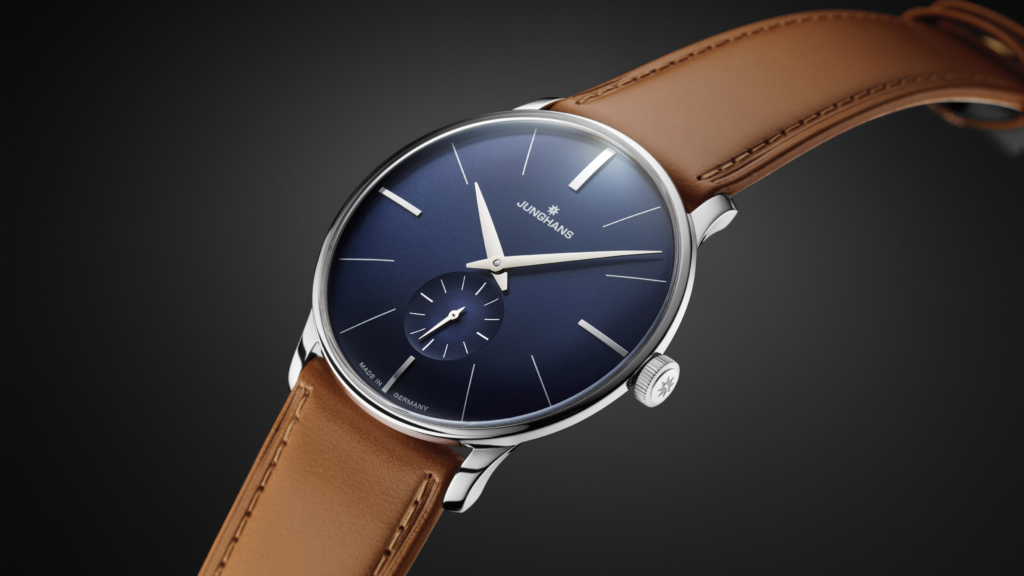

There’s something undeniably captivating about a hand-wound watch; the tactile ritual of winding it each day, the quiet tick of a finely tuned mechanism, the timeless artistry behind its design. In a world increasingly dominated by digital convenience, hand-wound watches offer a return to craftsmanship, intention, and heritage; it’s quite refreshing to see. Whether you’re a seasoned collector or a curious newcomer, The ‘Ultimate Guide to Hand-Wound Watches’ will walk you through everything you need to know. From history and mechanics to buying tips and maintenance, this blog will help you appreciate these miniature marvels of engineering. Let’s dive in!
The Ultimate Guide to Hand-Wound Watches
What Is a Hand-Wound Watch?
Hand-wound watches, also known as manual-winding watches, operate through a mechanical movement that requires regular winding by the wearer. Unlike battery-powered quartz watches, these timepieces rely on a series of finely crafted components that must be manually powered to keep the watch running. To wind a manual watch, gently pull out the crown and turn it clockwise; a few turns are typically enough to wind the mainspring. You’ll know the watch is fully wound when you start to feel some resistance. The amount of time your manual-winding watch remains powered after a full wind depends on its power reserve; this can range anywhere from 38 to 42 hours.
History of Hand-Wound Watches
Hand-wound watches have a rich history dating back to the 16th century, when the first portable timepieces were developed. Early watches relied entirely on manual winding to power their mechanical movements, requiring wearers to regularly turn a crown or key to keep the watch running. This method dominated watchmaking for centuries, reflecting the craftsmanship and engineering of each era. With the invention of the automatic (self-winding) movement in the early 20th century, hand-wound watches became less common. However, they remain cherished for their traditional appeal, simplicity, and the intimate ritual of winding—a nod to the origins of mechanical horology.
How do Hand-Wound Watches Work?
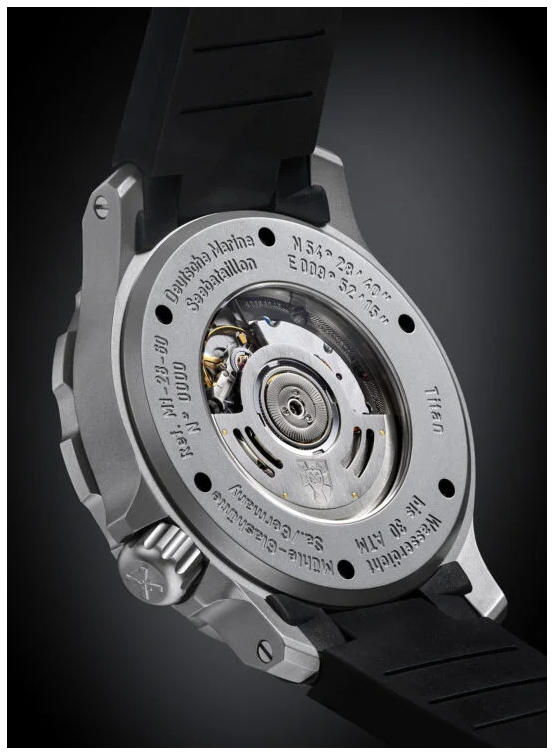
Hand-wound watches work through a mechanical movement powered by a mainspring, which is a tightly coiled strip of metal. When you turn the crown by hand, you wind the mainspring, storing potential energy. As the mainspring slowly unwinds, it releases energy that drives a series of gears as well as a balance wheel. This wheel oscillates back and forth to regulate timekeeping. The movement controls the ticking of the watch hands, allowing them to measure hours, minutes, and seconds accurately, without the need for batteries.
Hand-Wound vs Automatic Watches
Hand-wound and automatic watches both use mechanical movements. But they differ in how they’re powered. Hand-wound watches require regular manual winding to keep them running, offering a more tactile connection to the timepiece and often showcasing slimmer profiles. In contrast, automatic watches wind themselves through the natural motion of the wearer’s wrist, making them more convenient for daily use. While both types reflect traditional watchmaking craftsmanship, the choice ultimately comes down to personal preference.
How to Care for a Hand-Wound Watch
It’s important to wind your watch regularly—ideally at the same time each day—to keep the movement running smoothly and accurately. Always wind the crown gently and avoid over-winding as this can damage the mechanism. It’s also important to protect your watch from extreme temperatures, strong magnetic fields, and moisture to preserve its precision and longevity. Regular servicing by a professional every few years will ensure the internal components stay clean and well-oiled, helping your watch perform beautifully for many years.
Our Top Picks for Hand-Wound Watches

Hamilton Khaki Field Mechanical
This rugged timepiece is a reinterpretation of the classic 1960s military “soldier’s watch”. Housed in a 42mm sandblasted stainless steel case, it features a crisp white dial with black Arabic numerals and luminous hands. The dial also features a 24-hour inner scale for optimal timekeeping. A scratch-resistant sapphire crystal protects the dial. Not only does it ensure great clarity, but also great durability. Within the case lies the watch’s exclusive hand-wound movement. A H-50 calibre with an 80-hour power reserve, it ensures maximum reliability; even when it is not wound for a few days. A green textile NATO strap concludes the military-inspired design of the watch. Moreover, with water resistance up to 50 metres, it is a practical choice for everyday wear. Rugged and reliable, this Hamilton watch keeps you on time through every adventure.

Herbelin Newport Slim Mechanical
This men’s Herbelin watch marries nautical elegance with understated sophistication. Housed in a 42mm polished stainless steel case, at just 7.3 mm thick, it traces its design roots back to maritime portholes; echoing the Newport collection’s signature motif. The rich sunburst blue dial features fine steel indices and dagger-shaped hands for a touch of sophistication. Moreover, its anti-reflective sapphire crystal lends both striking visuals and durability. A Swiss hand-wound mechanical movement powers the watch. Offering approximately 45 hours of power reserve, it promises remarkable precision. The stainless steel bracelet, combined with a folding clasp, ensures optimal comfort while giving this model a contemporary look. With its splash-resistant rating and minimalist dial layout, this model stands out as a tasteful, sleek dress watch.

Laco Würzburg 39
The Laco Würzburg 39 is a refined hand‑wound pilot’s watch that strikes an ideal balance between elegance and rugged utility. It features a compact, 39mm stainless steel case with both polished and sandblasted surfaces. Its slim nature ensures it can slip under a shirt cuff with great ease. The striking matte black Type‑B flieger dial features thermally blued hands and Super-LumiNova C3 indices for excellent readability. Furthermore, the small seconds sub-dial at 6 o’clock adds subtle sophistication. Laco’s manual-wind calibre Laco 261 powers the watch. This movement provides around 42 hours of power reserve, and for an added touch, the wearer can view it through the exhibition case back. With its 100‑meter water resistance and classic brown leather strap, the Würzburg 39 makes for a versatile everyday or dress watch. It’s also a great choice for those who want to wear a piece of Laco’s aviation heritage on their wrist.
What are your thoughts on our ultimate guide to hand-wound watches? Can you see yourself purchasing a watch that uses this type of mechanism? Let us know in the comments below!