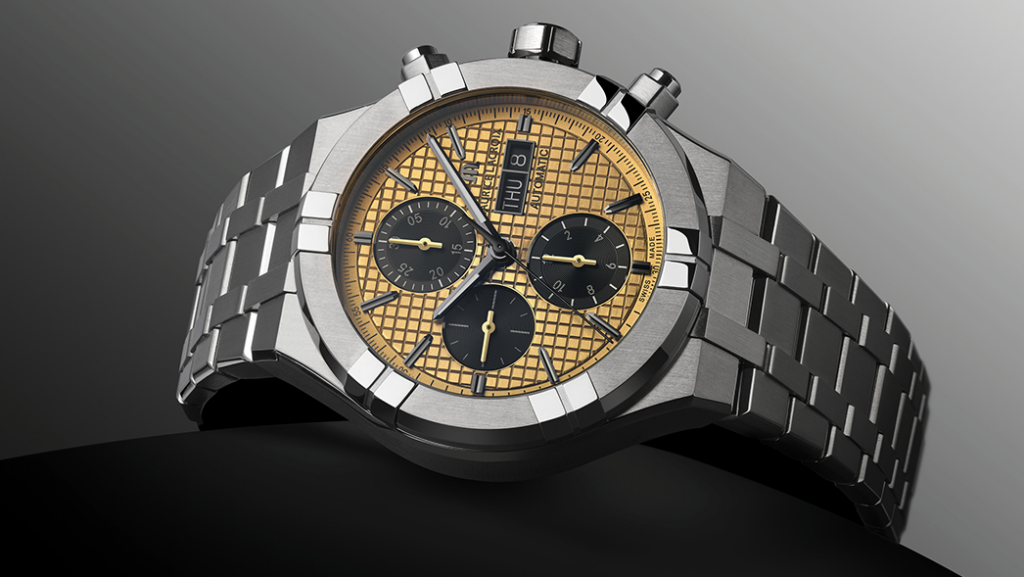

The watch industry has always been about more than telling time. It’s about precision, storytelling, and more recently, material innovation in watches. In 2025, the biggest headlines in horology aren’t just about complications or limited editions; rather, they are about what watches are made of. From the enduring allure of gold to the futuristic promise of composites, the material story is reshaping how collectors and casual buyers experience timepieces. Let’s dive in and explore how gold, titanium, and other materials are redefining watchmaking in 2025!
Material Innovation in Watches: Gold, Titanium & Beyond
Why Gold Is Back in Watchmaking
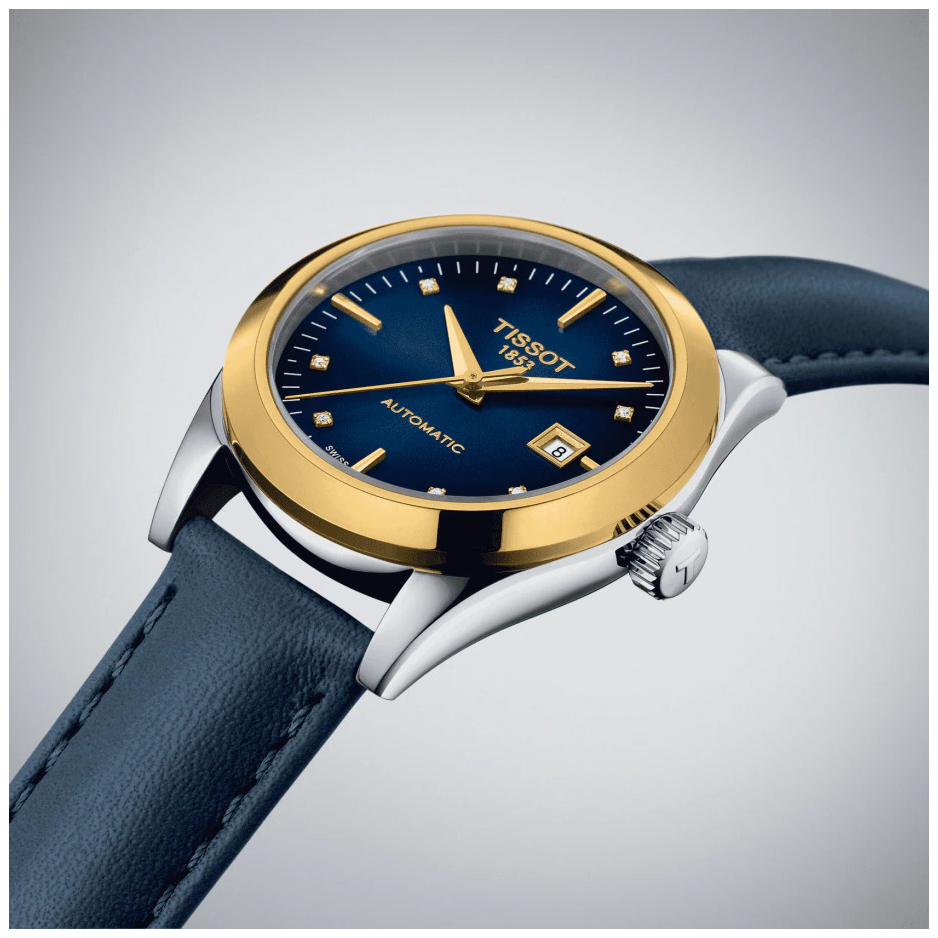
Gold, as a precious metal, is staging a comeback. After years where steel sports watches dominated, collectors are once again drawn to the warm, timeless glow that only real gold alloys can offer. This shift isn’t just about the look of gold; it’s about heritage, intrinsic value, and durability. Gold carries emotional weight and longevity, making a watch feel heirloom-worthy in a way few other materials can. Many brands are now experimenting with design by crafting gold into sporty silhouettes as well as dress pieces. This blurs the old boundaries between formal and casual horology, making gold as a material feel modern and versatile again.
The Rise of Titanium Watches
Titanium has moved from niche tool watches into the mainstream. Known for its light weight, strength, and hypoallergenic properties, titanium offers comfort without compromising durability. Wearability is increasingly important, especially as case sizes are getting smaller, and a titanium sports watch feels robust yet effortless on the wrist. Today’s titanium pieces are no longer limited to tool aesthetics; brands are experimenting with full titanium bracelets and advanced finishing techniques that were once considered impossible, making them every bit as elegant as steel.
Ceramic Watches and the Carbon Fiber Edge
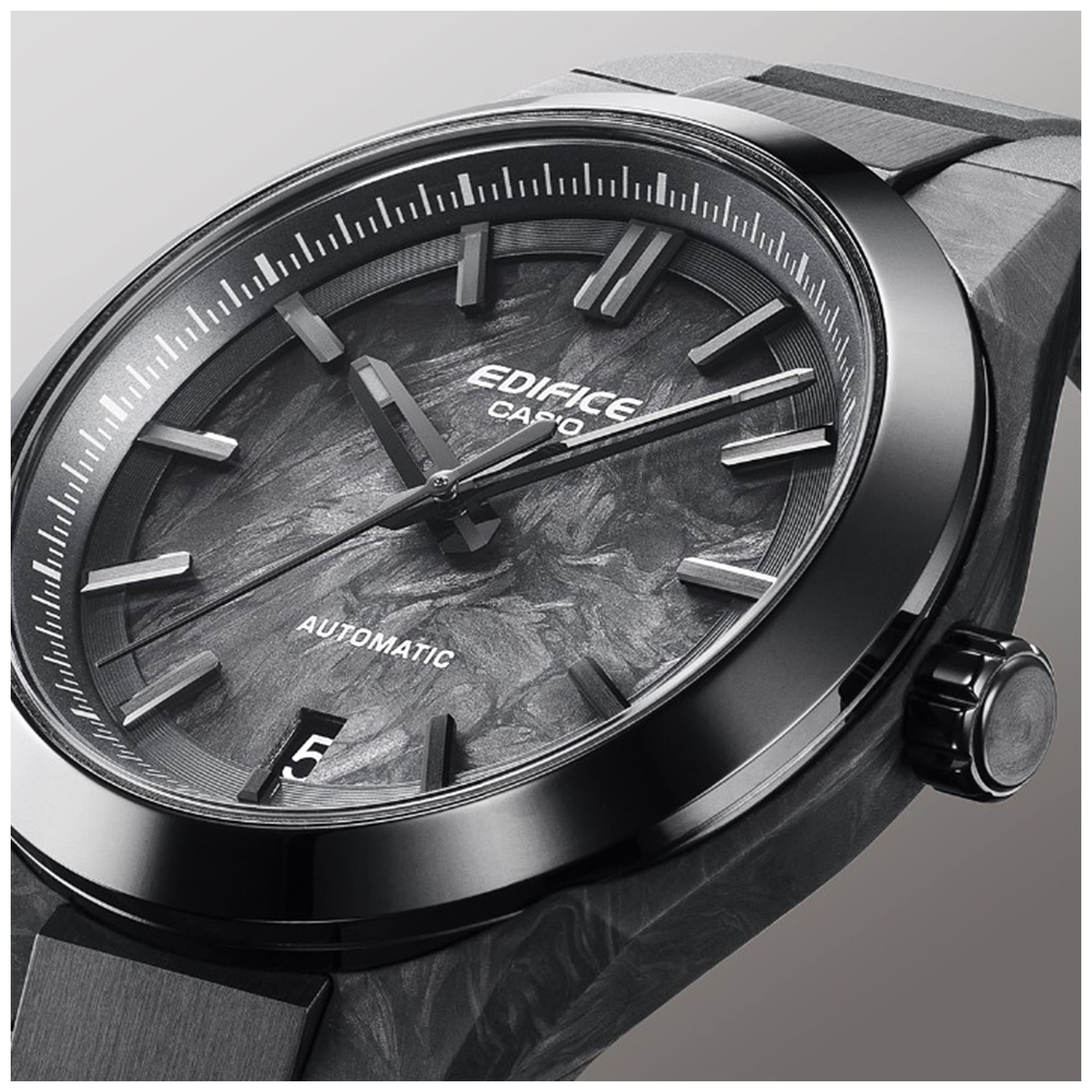
If gold is heritage and titanium is comfort, ceramic and carbon fiber represent the cutting edge. Ceramic offers scratch resistance and bold colours, making it a favourite for collectors who want resilience without sacrificing design flair. From glossy bezels to entire cases, ceramic is now available in a spectrum of colours well beyond black and white. Carbon fiber and forged carbon, meanwhile, are common in motorsport-inspired designs. They highlight performance engineering while lending a futuristic edge that appeals to buyers looking for something unconventional and bold.
Exotic Stones and Hybrid Watch Materials
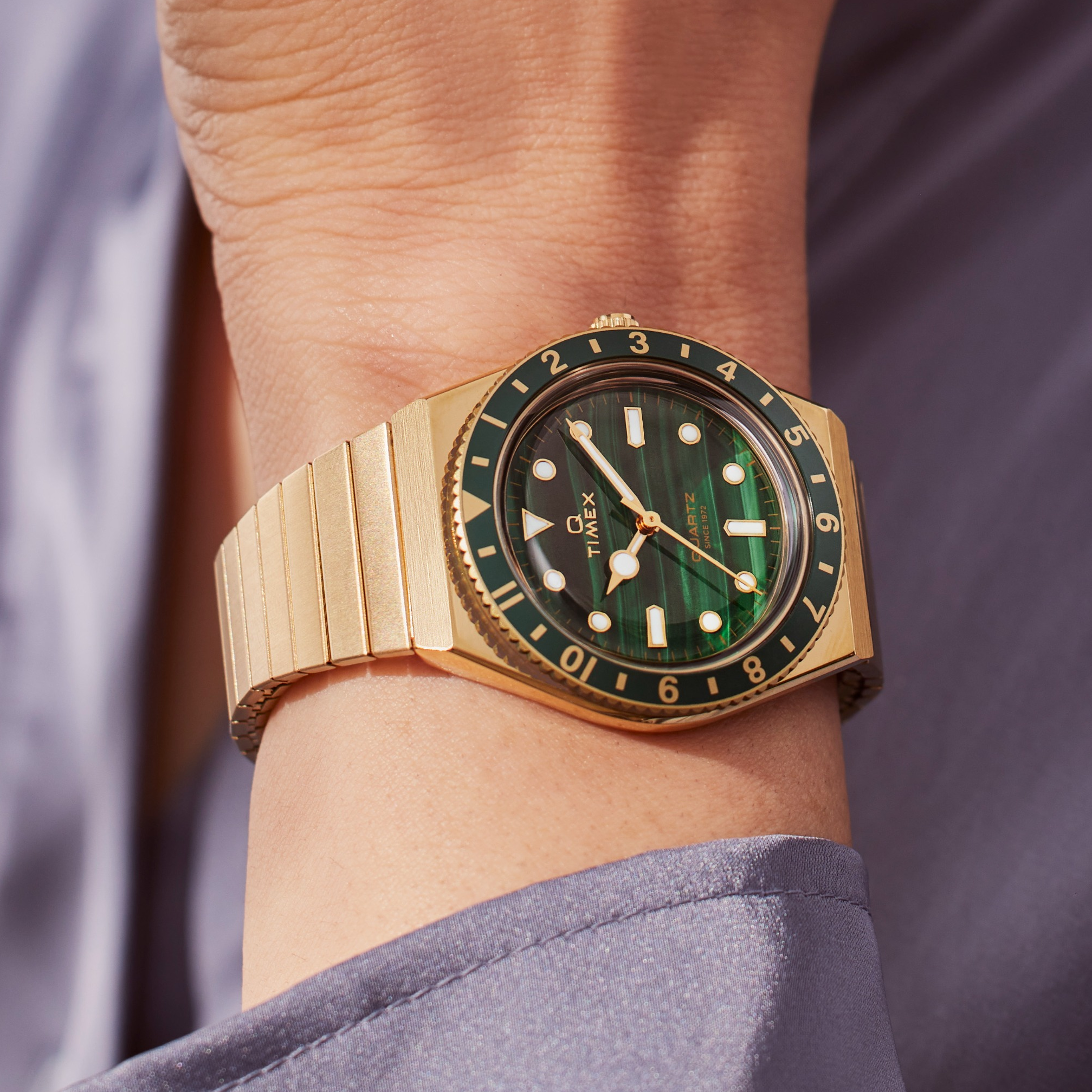
Some brands are pushing creativity even further by integrating stones like malachite, lapis lazuli, or meteorite into their dials and even cases. These choices not only add striking visual impact but also turn each watch into a unique piece of wearable art. At the same time, manufacturers are developing proprietary alloys that deliver both aesthetic novelty and technical advantages. Materials are becoming a critical part of brand identity: just as Rado is celebrated for its use of high-tech ceramics, Swatch for its bioceramic cases, and Maurice Lacroix for its inventive composite materials in its AIKONIC collection, we are entering an era where collectors can instantly recognise a watch by the unique materials that define each brand.
Why Watch Materials Matter to Collectors and Consumers
Material choice isn’t just about looks—it shapes comfort, durability, pricing, and storytelling. A gold watch conveys heritage and prestige, titanium suggests modern engineering and practicality, while ceramic or carbon speaks to innovation and performance. In 2025, collectors aren’t just buying a watch; they are buying into the philosophy and identity embedded in the material itself.
The Future of Material Innovation in Watches
As sustainability grows in importance, more brands are expected to explore recycled metals, lab-grown gems, and eco-conscious composites. The next decade could see timepieces that are lighter, stronger, and more environmentally responsible than ever—without losing the artistry that defines traditional horology.
In the world of watches, materials are no longer secondary; they are becoming the main story. Whether you prefer gold, titanium, or bold composites, your watch today says as much about its material as it does about time itself.
What are your thoughts on our ‘Material Innovation in Watches: Gold, Titanium & Beyond’ blog? Which material speaks to you the most? Let us know in the comments below!